

The short version
Your records already hold the answer. Now your staff can ask.
One question, four registers, one reply — including a plain statement of the part it could not answer.
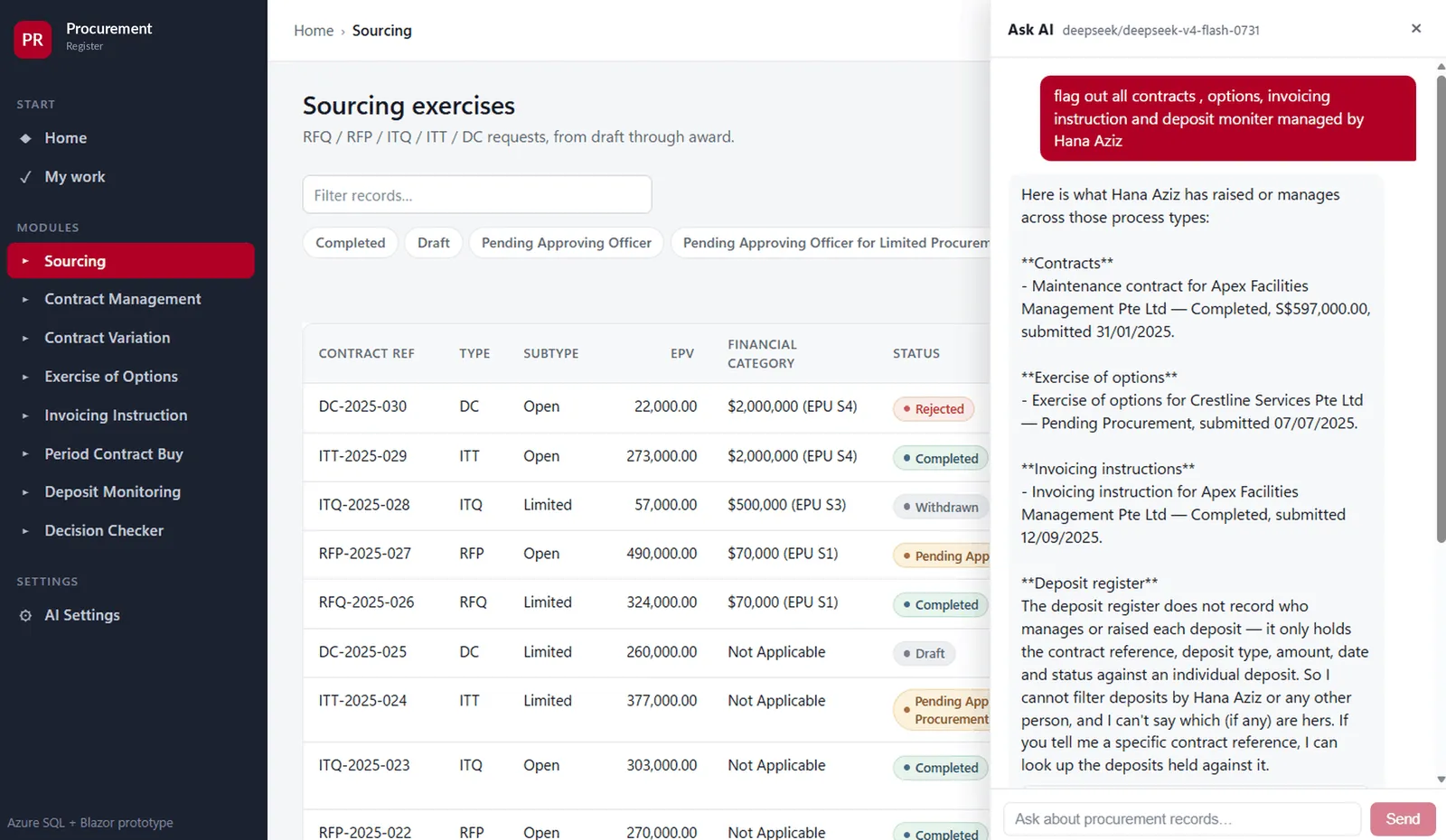
Four ways we put AI to work
Take one, or all four. Most clients start with one and widen it once it pays for itself.

Years of end-to-end systems for large corporations. Same engineering discipline — sized and priced for an SME.
Where we came fromSeven stages. One partner for all of them.
Most advisors stop after stage two. The last three are where AI either earns its keep or quietly dies.
- 1DiscoverFind where AI genuinely pays back.
- 2DesignShape it around how you actually work.
- 3DevelopBuild it properly, not as a demo.
- 4DeployGet it live, with the controls in place.
- 5IntegrateConnect it to the systems you run today.
- 6MaintainKeep it accurate as the business moves.
- 7ScaleWiden it once the first win is proven.
↑ Most advisors hand over here
Why the last three stages decide it
An AI feature that works on the day it ships is not the same as one that still works in a year. Your product list changes. Staff leave. A supplier renames every SKU.
Nobody notices when an assistant quietly starts giving slightly wrong answers — unless someone is watching for it. That is the part we stay for, and it is the part most projects skip.
One process · fixed scope · fixed period
Start a limited AI test bed with us
Pick one real, irritating process. We scope it in one workshop, build around it, and run it on your own data.
At the end: a measured before-and-after, and three honest options. Scale, park, or walk away.

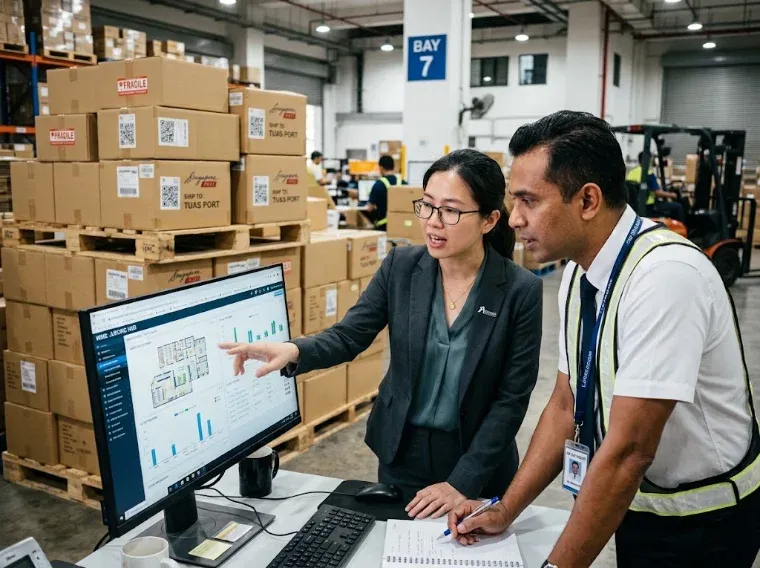
Fig. 5 · Generated image, not a photograph of a client site
We don’t just advise. We build.
The people who recommend the change are the people who ship it, support it, and answer for it. That is a narrower promise than most consultancies make, and it is the reason the work survives contact with a real business.
We start from the process, not the technology — what hurts, and what it costs you, rather than a model we happen to like. Most engagements begin with one irritating thing that everybody in the office already complains about.
The rest is engineering discipline carried over from large-corporate systems work and sized down: the smallest change that gets a real result, proven once, then widened. No two-year programme, and no handover to somebody else at the point it gets difficult.
- We start from the process, not the technology. What hurts, and what it costs you. Not a model we happen to like.
- Enterprise engineering, at SME size. Large-corporate systems background. Same rigour, priced for a 40-person business.
- The smallest change that gets a real result. Prove one win, then widen it. No two-year programme.
- We are still here after go-live. Systems drift and businesses change. Someone has to keep it honest.
What we are seeing, and how we build it
Business Perspective on what is happening across Singapore SMEs. Engineering Notes on how the work gets done.
He replaced his software vendor in a weekend
He closed a three-year feature gap on a Saturday. The build was the impressive part. What happens next is the part nobody plans for.
Engineering NotesUnderstanding plain English
We added a natural-language assistant to a procurement system that already worked. The hard part was never getting it to answer. It was getting it to stop.
The first conversation
Tell us about the process that costs you the most.
One short conversation is usually enough for us to say whether AI is the right answer — including when it is not.
What happens next